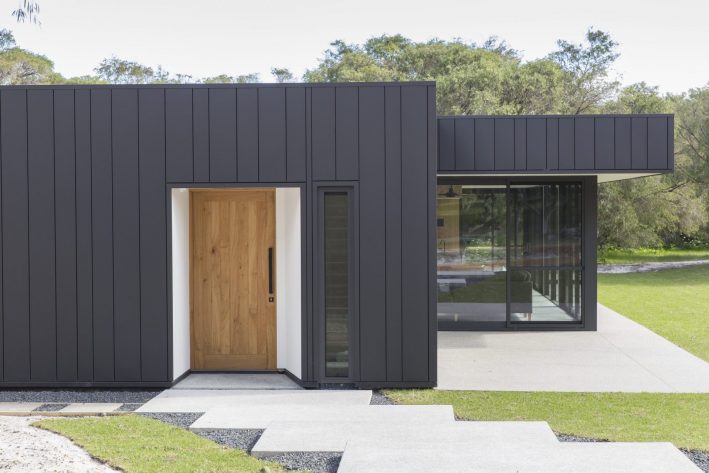
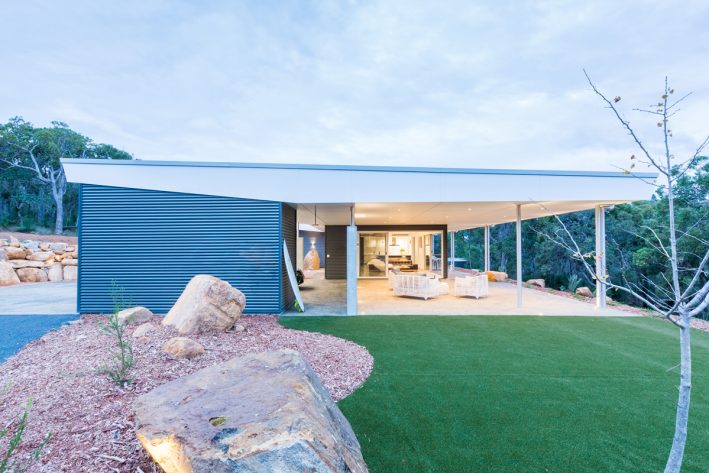
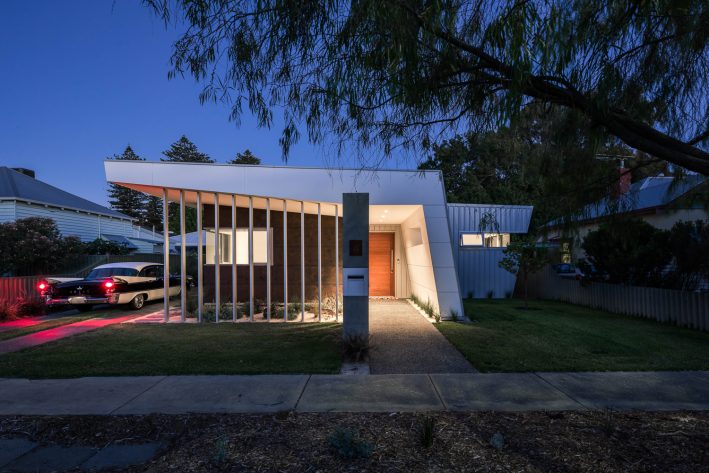
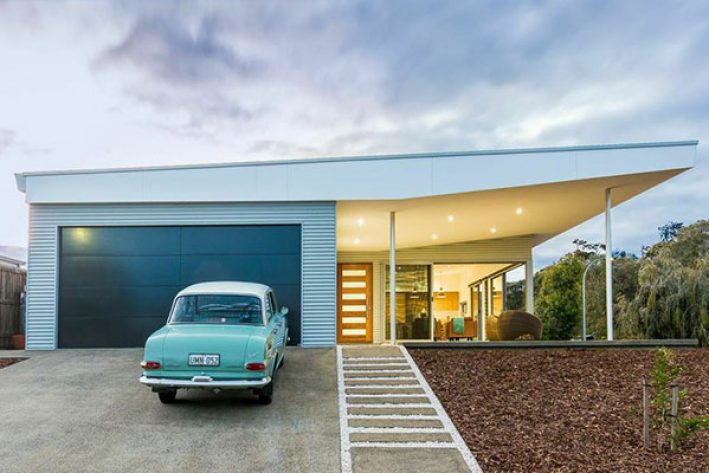
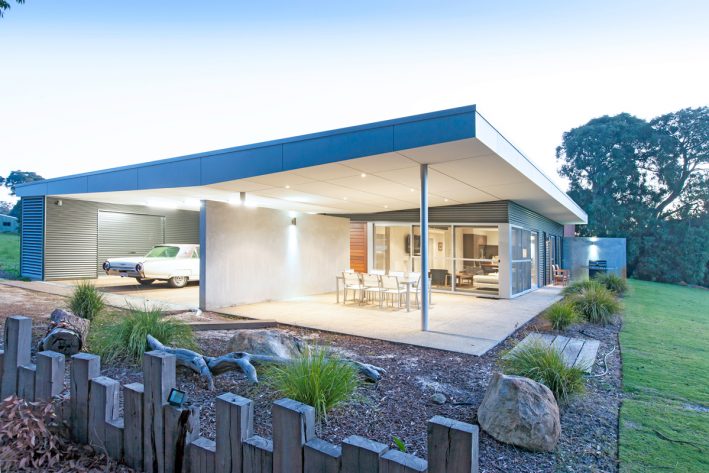
Architecture, at its best, doesn’t just shelter us—it lifts us. Thankyou Marcus for our beautiful home!

Nathan - Owner - 14 CANNON Shack.

My best airbnb experience so far 👍

Saktio - Airbnb Review - 15 WAMO Shack.

The house is absolutely stunning.

Maeva - Airbnb Review - 15 WAMO Shack.

We can't believe it's ours!

Robyn Oliver - Owner - 08 OLIVER Shack.

Everyone remarks on how great the spaces are to live in.

Ross Oliver - Owner - 08 OLIVER Shack.

The most amazing house

Eliza - airbnb Review - 05 JACOB Shack.

This was a stunning home.

Juliet - airbnb Review - 05 JACOB Shack.

What we like about the house ... in short ‘everything’!!!

S + S McGunnigle - Owners 04 McGUNNIGLE Shack.

Stayed in houses all over the world ... it is by far the best.

Maja - Airbnb Review - 05 JACOB Shack.

Exceptional space.

Nikitas - Airbnb Review - 05 JACOB Shack.

A MODULAR HOME DESIGN SYSTEM.

mi shack® is architect-designed modular home design with a Margaret River edge.

At its heart is MIDS — our Modular Integrated Design System. It’s a smart way to test your site, brief, budget, planning logic and construction pathway early, before a project gets too expensive to question.

Designed by Marcus Browne RAIA, a registered architect in Western Australia, mi shack® creates homes, holiday homes and retreats right across the state — coastal, rural, metro and regional.

From Yallingup, Dunsborough, Wilyabrup and Eagle Bay to Fremantle, Esperance, Injidup, Margaret River and Peppermint Grove Beach, every shack runs on the same design system. Each one just adapts it to a different site, family and budget.

A little mid-century.

A little minimalist.

A proper design system for real WA sites.


WHY MI SHACK?

mi shack® is a modular home design system created by Marcus Browne RAIA, a registered architect based in the Margaret River Region.

The homes are mid-century-influenced, minimalist and built for their site. But the system isn’t only about looks.

Under the surface, it pulls together early site due diligence, modular planning, passive-solar thinking, honest budget guidance and coordinated documentation for your planning and building approvals.

The payoff is a clearer path — from the first sketch all the way through to builder pricing and approvals — with fewer nasty surprises along the way.


A LITTLE MID-CENTURY. A LITTLE MINIMALIST.

Our vibe? A little bit mid-century modern, with a minimalist twist.

mi shack® helped pioneer this modular approach more than 15 years ago, and every project since has nudged the system forward — sharper, smarter, more refined.

The aim is simple. Create homes that feel relaxed, useful, beautiful and specific to their place.

Not generic.

Not overworked.

Not a box dropped onto a site.


HOW THE SYSTEM WORKS.

mi shack® uses predefined planning modules to shape a home around your site, brief and budget.

In practice, those modules flip, slide and connect in different ways. They work off a central planning spine, clear living zones and simple structural logic.

Because so much is thought through early — layouts, selections, construction method — the design process starts with far fewer unknowns. And fewer unknowns means more confidence about cost, sooner.

That’s the quiet advantage of the mi shack® system: real structure, without forcing every client into the same plan.


WHY THAT MATTERS.

Plenty of architect-designed homes get stuck on the journey from concept to construction. Budgets shift. Scopes creep. Approvals drag. Site constraints turn up late, and builder pricing lands with a thud.

mi shack® is built to take the sting out of all that from day one.

It doesn’t lock every decision in stone. Instead, each project starts with a strong design framework — then adapts to the site, the client, the budget and the construction pathway that actually suits.


EVERY MI SHACK IS STILL UNIQUE.

Every mi shack® starts from the same modular system, then becomes its own thing — shaped by its site, its owners, its budget and how it’ll be built.

That’s how 17 Driftwood Shack, 15 WAMO Shack, 14 Cannon Shack and 04 McGunnigle Shack can all belong to the same family and still feel worlds apart.

Some are compact. Some are generous. Some sit on rural land, while others square up to coastal exposure, bushfire, slope, metro family life or short-stay guests.

That flexibility is the whole point. A good design system should create clarity, not sameness.


MODULAR OR PREFAB?

Modular doesn’t always mean fully prefabricated.

With mi shack®, “modular” is about the design system first — a set of adaptable planning modules you can mix, match and adjust to suit the site, the budget and how you want to build.

A good local builder can build a mi shack® on site. Or, where the site and budget suit, the design can be adapted for prefab or modular construction.

Prefab can be brilliant for the right project. But it isn’t automatically cheaper or faster — lead times, design development, approvals, site access, transport, cranage and services all still have their say.

So the real strength here is flexibility. Conventional build, partial prefab or a fuller prefab approach — mi shack® works across all three, and never forces one delivery model onto a site that doesn’t want it.


Start with a Shack Map.

The best first step is a Shack Map.

It’s an early feasibility and concept-planning exercise that tests your site, layout options, budget range, planning constraints, solar orientation and likely approval pathway — all before you commit to a full design.

This is where we Map iT before you Buy iT, design it or build it.

Live. Love. Shack.

start your own shack map


MODULAR HOMES SYSTEM.

MIDS = MODULAR INTEGRATED DESIGN SYSTEM.


SAMPLE MODULAR LAYOUTS.

Sample Shack Maps show how the MIDS system spins different layouts out of the same family of modules.

Modules slide, flip and connect along a central planning spine. Wherever the site allows, living zones face north and sleeping and wet zones tuck to the south.

Add cross ventilation and well-judged glazing, and you’ve got the makings of a home that works with the WA sun, not against it.


PROJECTS ACROSS WA.

Take a look around mi shack® projects across Western Australia.

Every one starts from the same MIDS system, then adapts to its own site, brief, budget and build. Some are finished homes. Some are under construction. A few are still concept studies.

Together, they show how the system holds up across coastal, rural, metro and regional WA.

COASTAL AND REGIONAL PROOF.

For harsh-coastal proof, start with 17 Driftwood Shack — a Peppermint Grove Beach home shaped by BAL-29, salt air, screening, wellness and easy beachside living.

Head east and 09 Hudson Shack shows the same modular thinking at work in an Esperance family home. Two very different coasts, one system — proof that mi shack® isn’t tied to a single town or site type.

YALLINGUP AND SOUTH WEST RETREATS.

In Yallingup, explore 15 WAMO Shack, 16 The Dell Shack, 08 Oliver Shack and 01 White Shack — each telling its own South West story.

WAMO is a rural retreat on 100 acres. The Dell wrestles with slope, BAL-29 and a protected stand of peppermint trees. Oliver is a family home hidden in a peppermint grove. And White? That’s the original mi shack® — where it all began.

DUNSBOROUGH AND EAGLE BAY HOMES.

Around Dunsborough and Eagle Bay, see 03 Clarke Shack, 12 Eagle Bay Shack and 14 Cannon Shack.

Clarke is a compact family holiday home near Geographe Bay. Eagle Bay is a generous coastal escape perched above the water. Cannon is a primary family home on a rural Dunsborough lot. Same design family, three very different ways to live in the South West.

METRO WA PROOF.

Closer to the city, 04 McGunnigle Shack shows the mi shack® system flexing for Fremantle family life.

That one matters — because clever, site-specific modular design shouldn’t be a rural and coastal luxury. It should work just as hard on a tight metro block.

Projects

featured oN.


modular homes

‘A New Century Modern Solution for Lovers of Mid-century Modern’


modular homes


mi shack® is also sometimes searched as mishack, Mishack or Mi Shack. The system was created by Marcus Browne RAIA, registered architect in Western Australia, based in the Margaret River Region.